Starting a clothing line is a dream for many, but 2026 brings new challenges and opportunities. With the rise of sustainable fashion, direct-to-consumer (DTC) models, and shifting global supply chains, entering the fashion industry requires more than just good taste—it requires a solid strategy.
As a clothing manufacturer based in China with over 15 years of experience, we have seen hundreds of brands launch. Some skyrocket to success, while others struggle. What makes the difference? Usually, it comes down to preparation and choosing the right partners.
In this guide, we will walk you through the essential steps to launch your clothing brand in 2026, from concept to mass production.
Step 1: Find Your Niche (Don’t Sell to Everyone)
The biggest mistake new entrepreneurs make is trying to sell “clothing for everyone.” The market in 2026 is too crowded for generic brands. You need to be specific.
Ask yourself:
- Who is this for? (e.g., Yoga instructors, Gen-Z streetwear fans, eco-conscious moms)
- What problem does it solve? (e.g., Leggings that don’t roll down, affordable organic cotton for babies)
💡 Manufacturer’s Tip: We see the highest re-order rates from brands that focus on a specific category (like “Sustainable Activewear”) rather than brands that try to launch t-shirts, jeans, and hoodies all at once.
Step 2: Design and the “Tech Pack”
You might have a sketch on a napkin, but a factory cannot manufacture from a napkin. To turn your idea into a tangible product, you need a Tech Pack (Technical Packet).
A Tech Pack is the blueprint of your product. It should include:
- Flat Sketches: Technical drawings showing every seam and detail.
- Measurements: Size charts (S, M, L, XL) and specific dimensions.
- Bill of Materials (BOM): What fabric, buttons, zippers, and thread to use.
- Artwork: Logo placement and printing techniques (Screen print, DTG, Embroidery).
Step 3: Sourcing the Right Manufacturer
This is the make-or-break moment for your business. You need a partner, not just a vendor.
What to look for in 2026:
- Low MOQ (Minimum Order Quantity): As a startup, you don’t want to buy 1,000 pieces per style. Look for factories (like us!) that support startups with flexible MOQs (e.g., 50-100 pieces per color).
- Communication: Can they speak English? Do they understand your design requirements?
- Ethical Standards: Consumers in 2026 care about where their clothes are made. Ensure your factory provides safe working conditions.
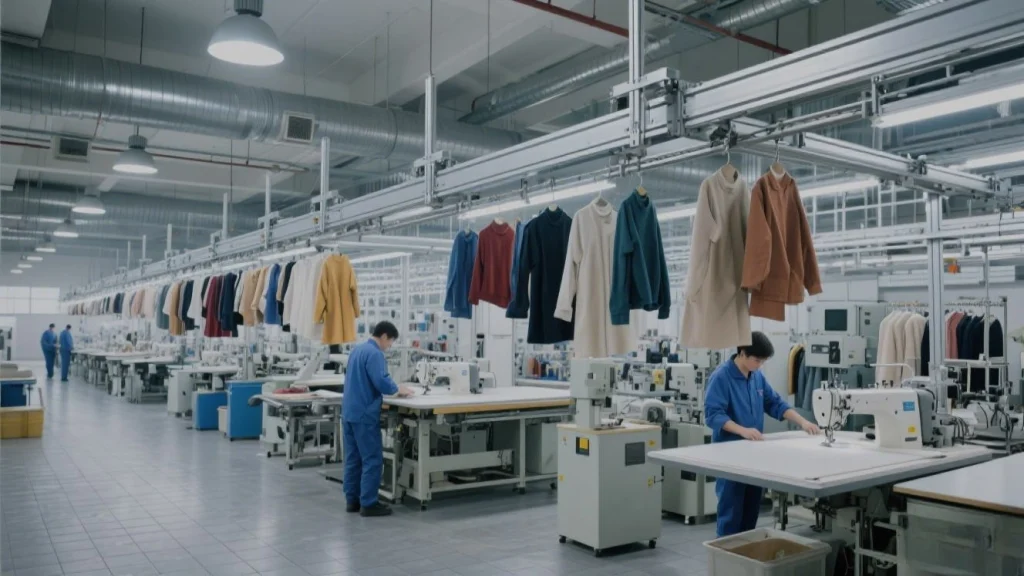
Why choose China? despite global changes, China remains the only country with a complete textile supply chain. From knitting fabric to dyeing, printing, and sewing, everything happens within a tight radius, ensuring speed and quality.
Step 4: The Sampling Process
Never go straight to mass production. Always get a sample first.
When you receive your prototype (sample) from the factory:
- Check the fit on a real model, not just a mannequin.
- Wash it multiple times to test fabric shrinkage and color fastness.
- Check the stitching quality.
Note: Samples usually cost 2-3 times the unit price because they are made by hand by skilled master tailors. This is a standard industry practice.
Step 5: Mass Production and Quality Control (QC)
Once you approve the sample (usually called the “PP Sample” or Pre-Production Sample), manufacturing begins.
However, your job isn’t done. You need to ensure Quality Control.
- Professional Factories will have their own internal QC team to check every piece before packing.
- Ask your manufacturer for a video call or photos during the production process to stay updated.
Step 6: Logistics and Shipping
How do you get the clothes from the factory to your warehouse (or your customer’s doorstep)?
- Air Express (DHL/FedEx/UPS): Fast (3-7 days), but expensive. Good for samples or small drops.
- Sea Freight: Slow (25-40 days), but cheap. Best for bulk orders (over 100kg).
Ask your manufacturer if they offer DDP (Delivered Duty Paid) service. This means the factory handles shipping, customs, and taxes, delivering the goods directly to your door. It is the easiest option for beginners.
Conclusion: Start Small, But Start Now
Starting a clothing brand in 2026 is an exciting journey. You don’t need to be a fashion expert to succeed; you just need a clear vision and a reliable manufacturing partner to handle the technical side.
At LUCKYWAVE, we specialize in helping small to medium-sized brands grow. We offer:
- OEM & ODM Services
- Flexible MOQs for startups
- Full Supply Chain Support (Fabric sourcing, Pattern making, Production)
Are you ready to bring your designs to life?
🚀 Let’s Build Your Brand Together
Don’t let your designs stay on paper. Contact us today for a free consultation and quote.